Design & Ideas · November 20, 2024
Sustainable Landscape Design Techniques: A Better Choice
Updated May 30, 2026
Sustainable landscape design saves water, supports local ecology, and lowers maintenance — without sacrificing beauty. Here are the techniques we build into every Orange County project.
AI-generated audio summary. For the full detail, read on.
What sustainable landscape design really means
Sustainable design is not a single feature you bolt on — it is an approach that runs through the whole landscape. The goal is a yard that looks beautiful, uses far less water and chemical input, supports local wildlife, and costs less to maintain year after year. In a coastal, drought-prone climate like Orange County, designing this way is simply smarter.
Right plant, right place
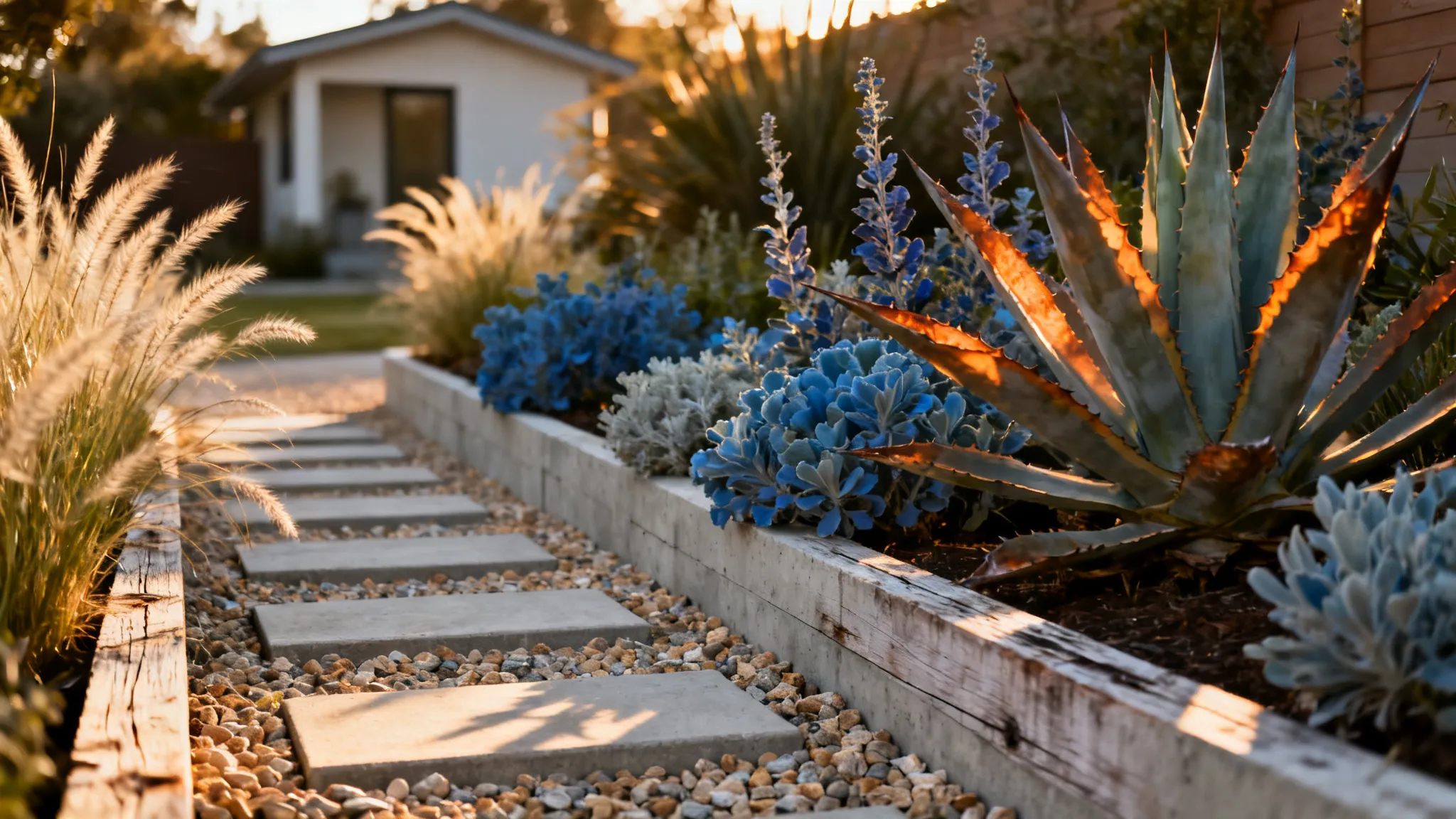
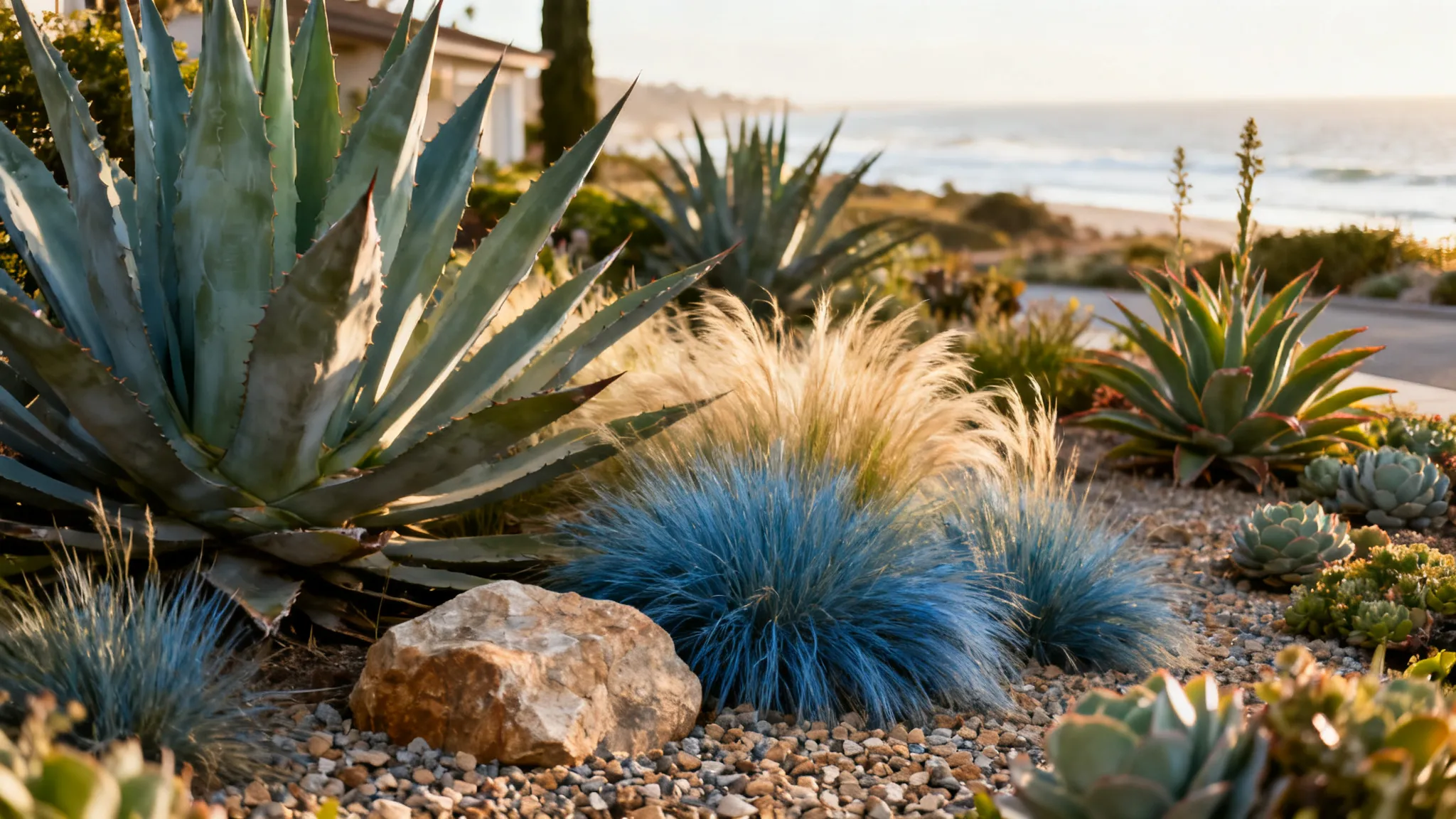
The single most powerful technique is choosing climate-appropriate, drought-tolerant plants and grouping them by water need (a practice called hydrozoning). Natives and Mediterranean species thrive in our conditions with minimal irrigation once established, while thoughtful placement means each plant gets the sun, shade, and water it actually wants.
Water-wise irrigation
Pairing the planting plan with efficient drip irrigation and a smart, weather-based controller cuts water use dramatically. Drip delivers water straight to the root zone with little evaporation or runoff, and a smart controller adjusts automatically to the season — so you are never watering a wet yard.
Healthy soil and mulch
Great landscapes start below ground. Building healthy, living soil and topping beds with several inches of mulch retains moisture, suppresses weeds, moderates temperature, and feeds plants naturally — reducing the need for fertilizer and frequent watering.
Permeable surfaces and smart drainage
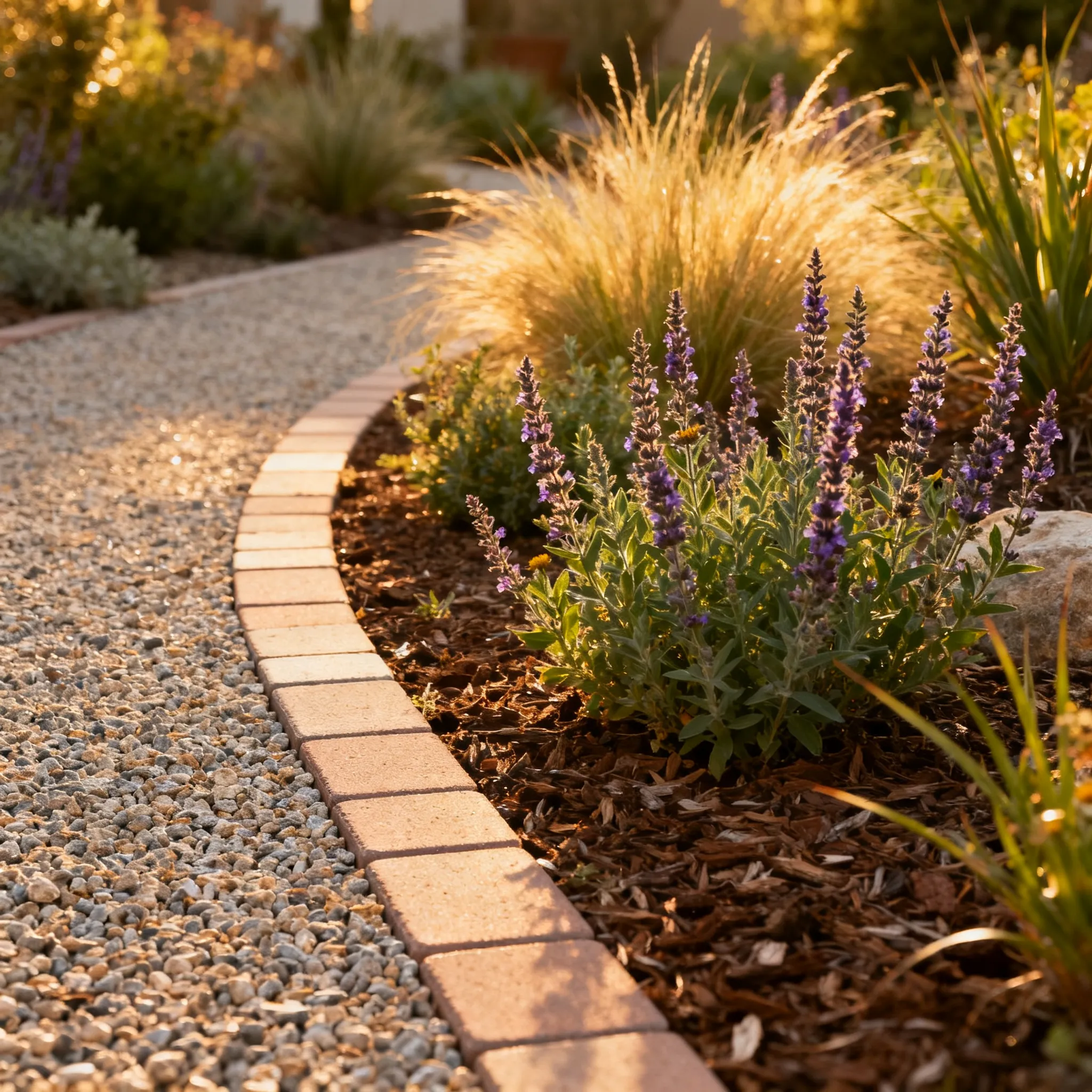
Replacing solid concrete with permeable pavers, gravel, or decomposed granite lets rainwater soak into the ground instead of running off into the storm drain. Combined with thoughtful grading and, where it fits, rain gardens, this keeps water on your property where your plants can use it.
Designed for low maintenance
A well-designed sustainable landscape is easier to live with: less mowing, less watering, less spraying, and fewer plants that outgrow their space. That is the payoff of designing for sustainability from the start rather than retrofitting later.
Build it sustainably from day one
We design and build water-wise, sustainable landscapes across Orange County — balancing beauty, ecology, and easy upkeep. If you want a yard that looks great and treads lightly, we would love to help you plan it. Get a free design consultation to get started.
Watch & Learn
Sustainable Landscaping Ideas: How to Create a Climate-Resilient Yard
A clear explainer on the subject, from Backyard Farmer.
Frequently asked questions
How much water can a sustainable landscape save?
A lot. The EPA estimates that converting to a water-smart landscape through careful plant selection and design can reduce outdoor water use by 20–50%. Their WaterSense standard alone targets a 30% reduction versus a conventional, well-maintained lawn.
Does a sustainable landscape have to look sparse or "desert-like"?
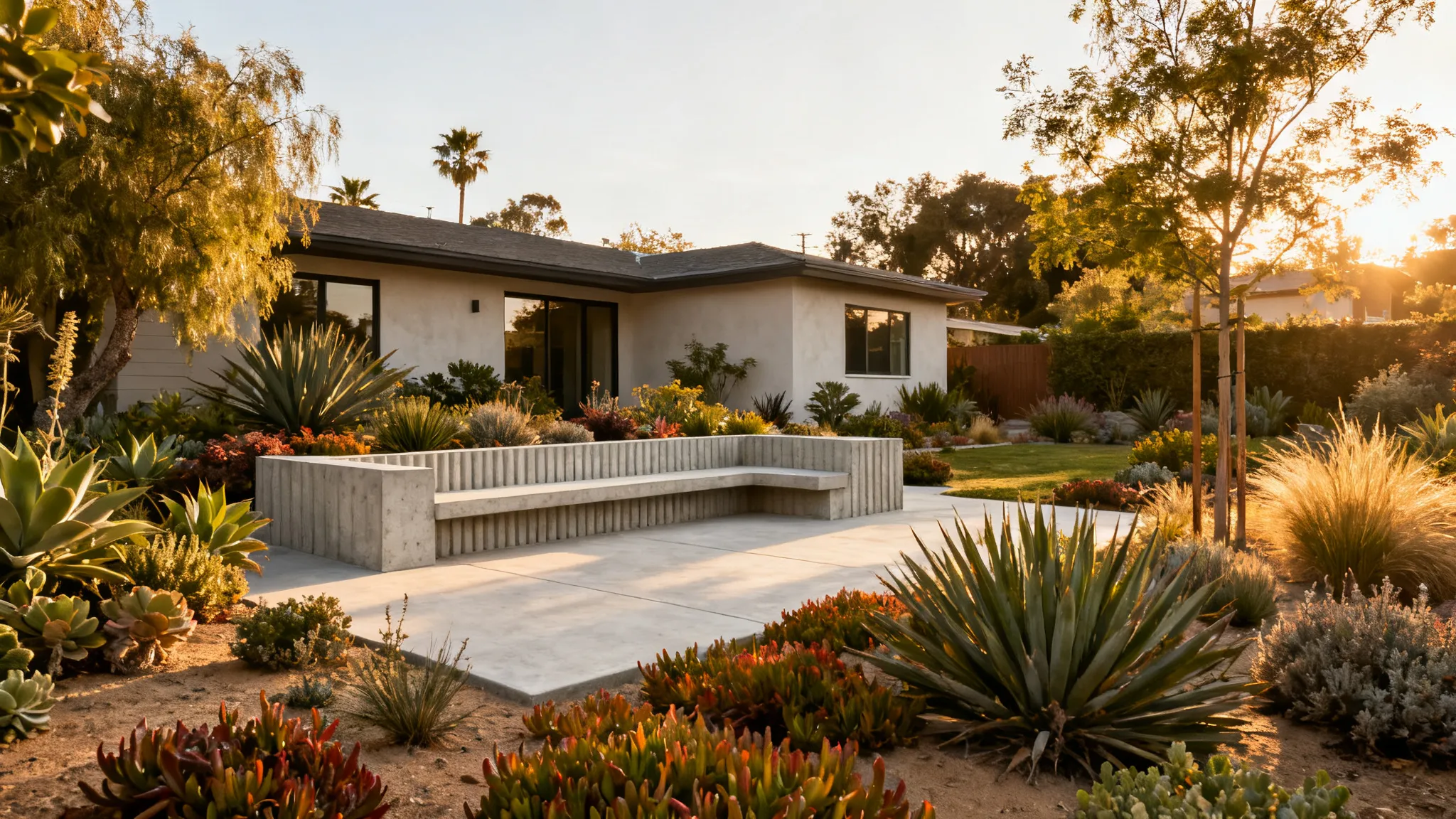
Not at all. A well-designed water-wise landscape — layered natives, Mediterranean plants, grasses, and groundcovers — looks richer and more interesting than a plain lawn, with year-round structure and seasonal color. Sustainable and beautiful are not a trade-off.
What are the core sustainable design techniques?
Group plants by water need (hydrozoning), lead with climate-appropriate natives, irrigate with drip on a smart controller, mulch generously to hold moisture, use permeable surfaces so rain soaks in, and shrink thirsty lawn to only where you use it.
Is sustainable landscaping more expensive?
Upfront it is comparable to conventional landscaping, but it costs less to own — lower water bills, less maintenance, and fewer plant replacements. Designed well, it pays back over time.
Have a project in mind?
Get a free, no-obligation consultation with the All Seasons team.