How-To Guides · November 5, 2024
The Importance of Proper Drainage in Landscape Design
Updated May 30, 2026
Drainage is the invisible system that protects everything else in your landscape. Here is why it matters and how good design handles water.
AI-generated audio summary. For the full detail, read on.
Why drainage is non-negotiable
Water is the number-one threat to a landscape. Poor drainage causes standing water, dead plants, eroded beds, cracked hardscape, and — worst case — damage to your home’s foundation. Getting it right is what makes everything else last.
Grade the site first
Good drainage starts with grading: shaping the ground so water moves away from the house and hardscape and toward where you want it. This is designed in before anything is built.
The right tools for the job
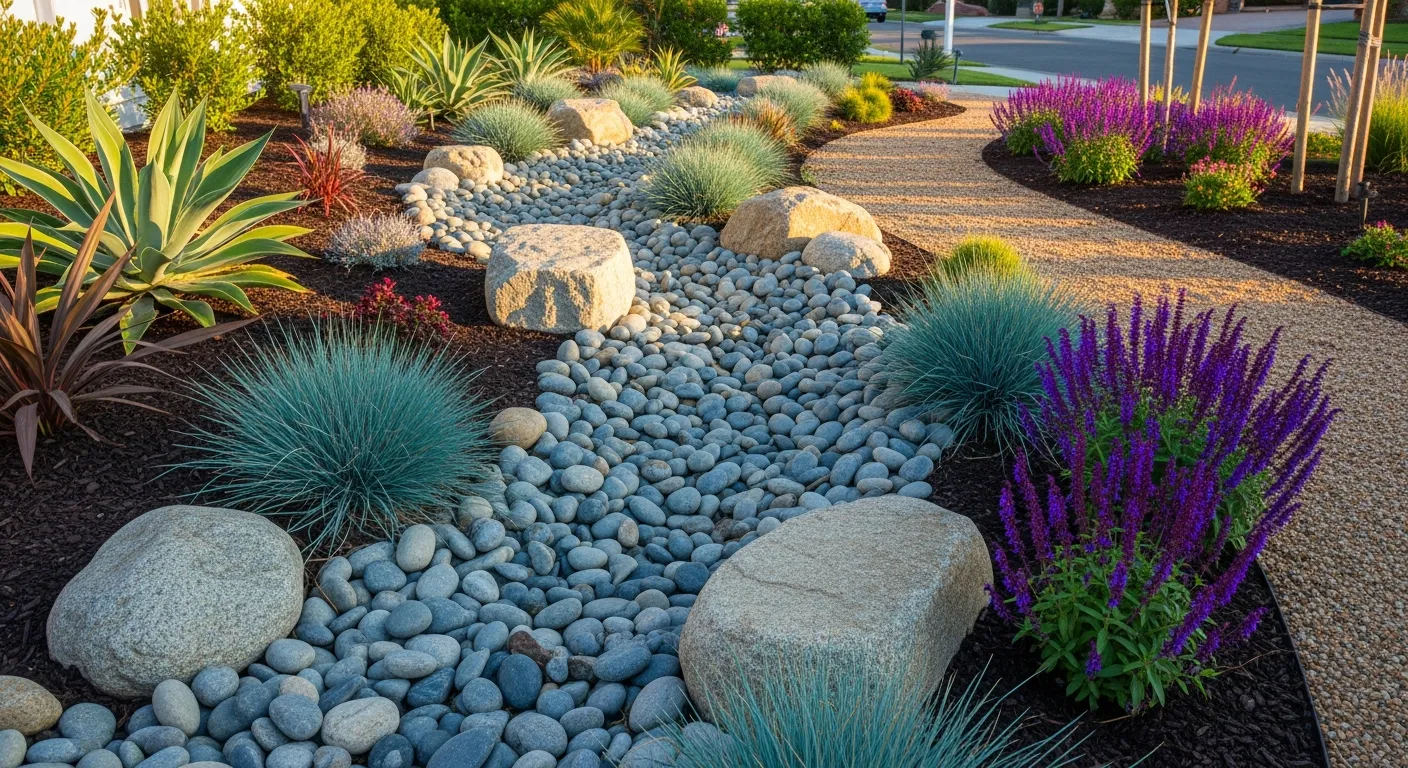
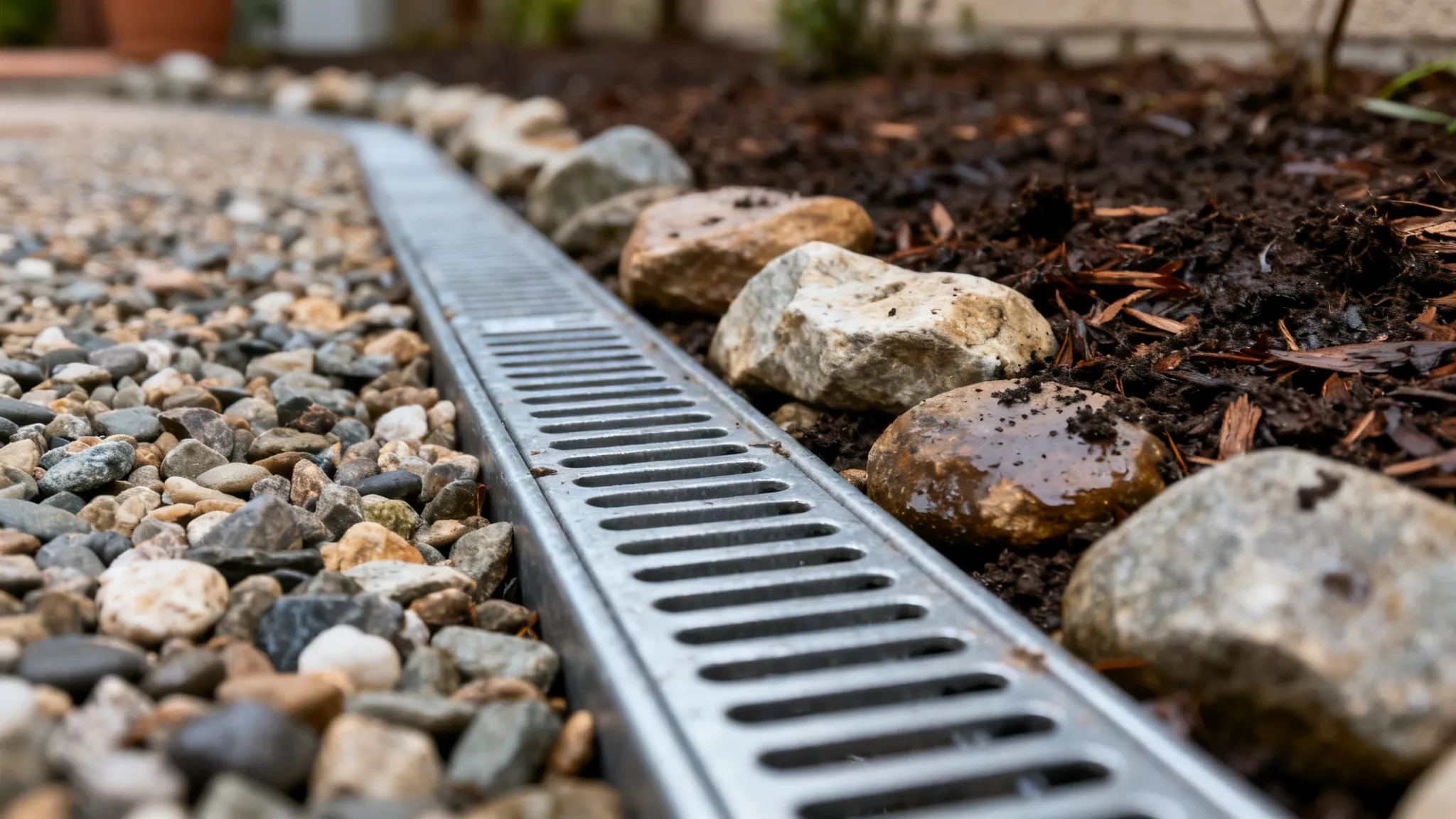
French drains, channel drains, catch basins, and dry creek beds each solve different problems. The art is matching the solution to your site, soil, and the way water actually moves across your property.
Keep water on-site where it helps
Smart drainage does not just remove water — it can direct it to planted areas, rain gardens, or permeable surfaces where it soaks in and benefits the landscape rather than running to the gutter.
Protect your investment
Drainage is easy to overlook until it fails. We design and install drainage systems across Orange County that protect your home and your landscape — learn more or get a free consultation.
Watch & Learn
How French Drains Work
A clear explainer on the subject, from Practical Engineering.
Frequently asked questions
Who do I call for a yard drainage problem?
A licensed landscape contractor experienced in grading and drainage. We diagnose the source of standing water or runoff, design the right system, and install it so the problem is solved rather than just moved.
What’s the difference between a French drain and a channel drain?
A French drain is a gravel-filled trench with perforated pipe that collects water from saturated soil; a channel drain is a surface grate that catches water running across hard surfaces like patios and driveways. Many properties need both in different spots.
How do you fix a soggy or wet yard?
First we find why it stays wet — grading, soil, runoff, or a high water table — then combine re-grading with the right drains to carry water safely away from the house, and improve soil where it helps the ground dry out.
How much does landscape drainage cost?
It depends on the size of the problem area, the soil, and the solution — a single French drain is a modest project; full grading with a network of drains costs more. We assess the site and give an itemized estimate first.
Have a project in mind?
Get a free, no-obligation consultation with the All Seasons team.